Nobody remembers a disciplined fold. Your bankroll does.
If I could teach one poker lesson to someone just starting out, it would be this: the hands you decide not to play are just as valuable as the hands you do. Years at the tables have shown me that what separates winning players from the rest is an almost invisible skill—the quiet, steady art of folding at the right time. The most spectacular pots get the stories, but it’s routine, patient folding that wins the money.
Why folding isn’t giving up
Early in my poker journey, I thought folding was an act of surrender. I saw every hand as a battle to win. But eventually, I learned the truth: folding is an active, profitable decision that protects and grows your bankroll. It’s not weakness—it’s discipline.
Imagine you’re facing a large bet with a hand that is probably behind. Calling “just to see one more card” adds up fast.
Every chip saved counts
Every recreational player celebrates winning a 500-chip pot.
Almost nobody celebrates saving 500 chips with a disciplined fold.
Mathematically, they’re identical.
Your stack increases by 500 chips in both cases.
The only difference is that one feels exciting and the other feels boring.
Humans hate folding because folding feels like admitting defeat.
Calling gives us hope.
Folding feels final.
That’s exactly why so many players overcall.
Hero folds: When not calling is the right move
We all see highlight reels of amazing hero calls. But real pros quietly remember the hero folds—those difficult moments when every instinct screams “Call!” but calculation says “Fold.” I remember one session where I held top pair on a scary board. My opponent bet big on the river. I counted combos, thought about his line, and realized my hand was probably no good. I folded, and he later told me he had the nuts. Folds like these often go unnoticed, but they make the difference between a winning and losing career.
Combo counting and blockers
Practicing folds means getting familiar with concepts like combo counting and blockers. Suppose you’re holding the ace of hearts, and the flush comes in. That ace blocks the nut flush combos your opponent can have. If you count the likely hands and the math shows you’re rarely good, folding becomes the best decision—even if you have a strong hand.
 Disciplined preflop folds and hand selection
Your poker journey begins even before a card hits the board. The best players are experts at disciplined preflop folding. They don’t get tempted by off-suit nine-deuces or marginal hands in early position. Years ago, I kept losing small pots in late positions because I didn’t fold enough. Fixing my starting hand selection improved my results more than any fancy bluff ever did.
I often guide new players to good hand selection guides to highlight just how selective great preflop players are. It’s routine folds, not bold calls, that build steady stacks.
The river fold: Walking away when the odds aren’t there
The river is where poker dreams go to die—or where they are saved with a fold. When you have a bluff catcher and face a hefty river bet, here is what I do:
- Calculate pot odds. Am I getting the right price to call?
- Think about my opponent’s range—how many hands beat me?
- Use blockers and frequencies. How often does he really have the value hand?
Sometimes, the right answer is to put in the chips. But the best money I’ve ever saved was on the river, recognizing the story didn’t add up, and my second pair was never good.
Practical folding examples
Here are some folds that can boost long-term expected value (EV):
- Throwing away a dominated ace preflop (like A4 offsuit in early position) instead of mixing it into your range and losing to better aces.
- Folding small pairs on scary boards when an opponent’s betting pattern signals strength.
- Avoiding the “hero call” when blockers and combos say your hand isn’t strong enough to bluff-catch.
In each case, the chips you save with discipline are chips you add to future bets, bluffs, or simply to cushion against downswings.
ICM pressure, risk premium and tournament life
In tournaments, folds become life-saving. Independent Chip Model (ICM) pressure means surviving is often worth more than risking everything with a marginal hand. During a final table, I folded what felt like an incredibly strong hand because ICM pressure made calling unprofitable.
Poker discipline and the mindset of winning players
Recreational players often remember their spectacular hero calls. In my experience, it’s the losing calls I never made that kept my career on track. Poker isn’t about proving you’re right; it’s about making the highest EV decision, every hand, every session. The fold nobody saw matters more than the call that wins applause.
Managing poker variance means sometimes walking away. I’ve seen many good players go broke trying to prove their reads were right, refusing to fold in spots where EV said otherwise. Folding doesn’t guarantee glory, but it does protect your stack. Building real discipline is a quiet process, built with repetition and review.
 Reviewing folds with tools like Check Replay
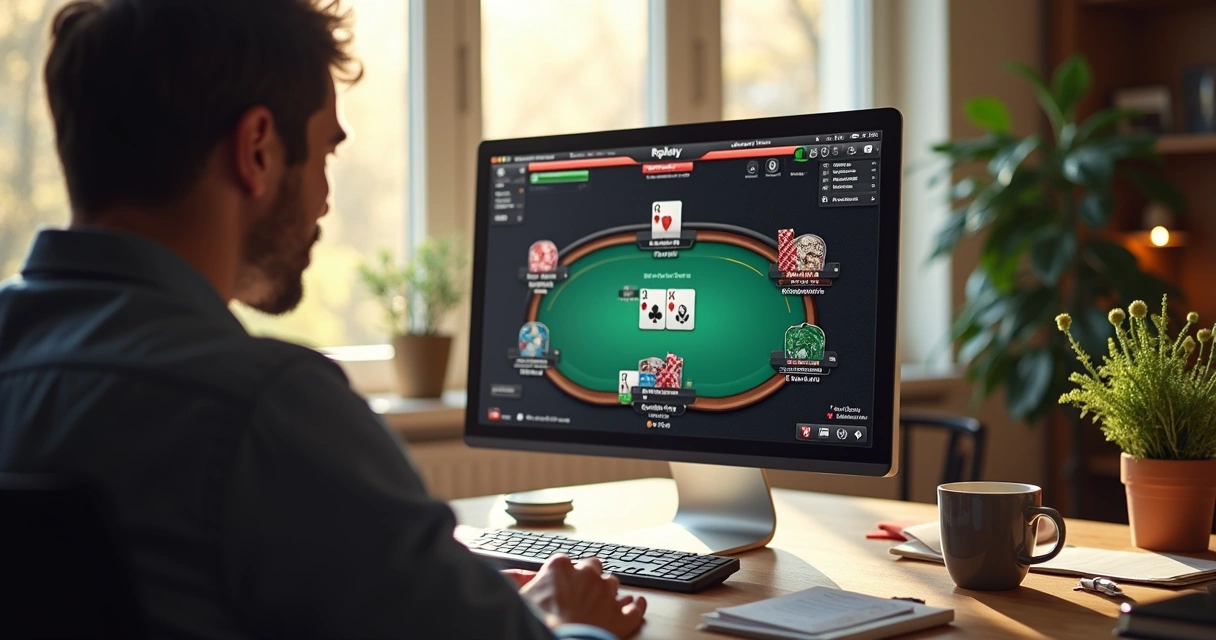
It’s natural to review hands you won or lost big, but in my experience, reviewing tough folds is even more valuable. Sometimes I use Check Replay, an intuitive tool for poker hand review, to revisit hands I agonized over folding. Seeing the data—pot odds, blockered outs, equity charts—often proves the fold was right. If I find a wrong fold, I can adjust my approach for next time. This way, every decision, not just the flashy ones, makes me a sharper player.
Conclusion: Win money, not pots
After twenty years at the tables, I firmly believe this:
Winning players aren’t remembered for the folds they make.
They’re remembered for their results.
Those results were built one disciplined fold at a time.
Sometimes, your most profitable move is the fold that nobody admires. You won’t retell those hands with pride, but your bottom line will show the truth. Save chips. Fold with discipline. Let others chase the spotlight while you quietly collect the rewards. If you want to master the power of a good fold, check out Check Replay—it might just be the best poker decision you make this year.
Nobody watches a final table highlight reel full of disciplined folds.
Yet those folds are exactly what put the winner there.
Let others chase the spotlight.
You can quietly collect the chips.
Frequently asked questions
What is a good fold in poker?
A good fold in poker means letting go of a hand when the evidence suggests you’re beaten or your call won’t be profitable in the long run. It isn’t about whether you were right or wrong in one hand, but about whether folding is the best possible decision based on odds, ranges, and what you know about your opponent.
Why should I fold weak hands?
You should fold weak hands because playing them likely leads to losses over time. Even when the urge to “see a flop” is strong, weak hands often have little equity or risk being dominated by stronger holdings, putting you in tough post-flop spots and costing chips.
How does folding save me money?
Every chip you don’t put into a losing pot is a chip available for later, possibly in stronger situations. Folding protects your stack from losses and lets you re-invest those chips when you have an advantage, which adds up to bigger profits in the long term.
When is it best to fold?
It’s best to fold when pot odds, your opponent’s range, or the situation suggest you are unlikely to win if you continue. Typical spots include facing large bets with weak hands, being out of position with marginal cards, or under ICM pressure in tournaments.
What hands should I always fold?
Generally, hands like low offsuit cards (such as 7-2 or 9-3 offsuit), weak aces in early position, or hands that often get dominated should almost always be folded, especially when raises are involved. If you need help with specifics, look for a comprehensive hand selection guide to tailor your folding ranges to the game and your position at the table.