Most online poker sessions start in a very casual way. A player opens the client, checks a few tables, maybe looks at the lobby for a moment, and suddenly the first hand is already being played. There wasn’t really a plan to start the session, it just happened.
That approach is extremely common, especially online where everything moves quickly. But after enough sessions, many players begin to notice the same pattern: when they start playing without preparation, the session often feels rushed and unfocused.
Poker may look simple on the surface, but it’s still a decision game. The way your mind feels at the start of a session influences a lot of what happens afterward. If attention is scattered, mistakes appear sooner than expected.
Because of that, many players build a poker warm up routine before they begin playing. The idea is not complicated at all. You simply give your mind a few minutes to shift into “poker mode” before the cards start coming.
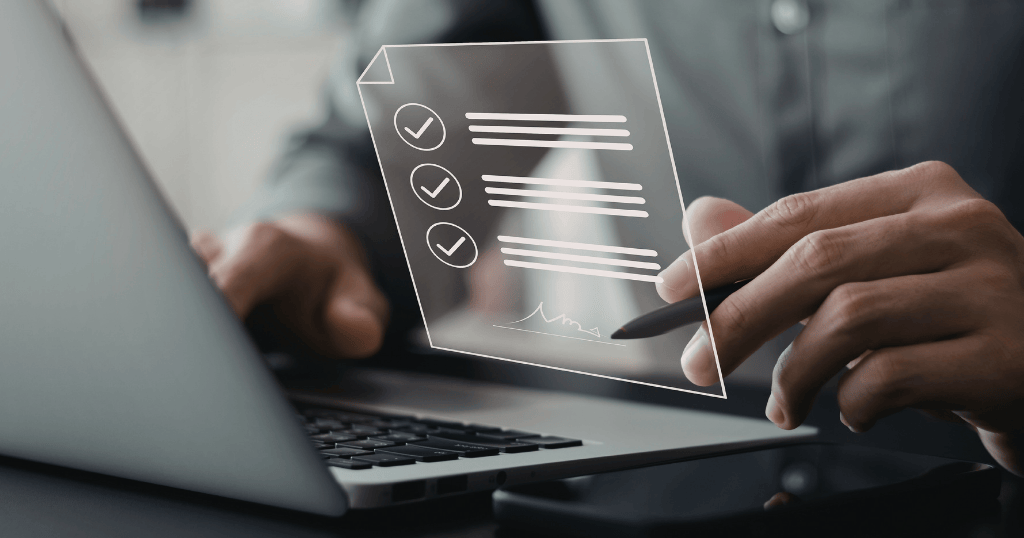
Below is a simple pre session poker checklist that many players use before opening their tables.
Why You Need a Structured Poker Warm Up Routine?
A lot of sessions go wrong for reasons that have nothing to do with strategy. Distractions, frustration, or simple fatigue can affect decision-making without the player realizing it.
A structured poker performance routine helps create a small transition between everyday life and the poker table. Instead of jumping straight into hands, you pause briefly and bring your attention back to the game.
Repeating the same poker session preparation steps regularly can also create a helpful habit. Over time your brain begins to associate that routine with focus.
The result is that sessions feel calmer and more deliberate instead of chaotic.
Step 1: Define Your Session Goals
Before opening the tables, it helps to think about what you want to focus on during the session.
Many players instinctively think about profit. The problem is that poker results in the short term are heavily influenced by variance. Even a well-played session can end in a loss.
For that reason, process goals tend to work better.
For example, you might decide to play tighter in early position, pay closer attention to stack sizes, or avoid marginal calls that usually cause trouble. A small focus like that can guide many decisions during the session.
The goal doesn’t need to be perfect. It just needs to remind you what type of decisions you want to make.
Step 2: Review Key Strategic Concepts
Another useful step in a poker session preparation routine is a short strategy reminder.
This doesn’t mean deep study. In most cases a quick review is enough. Some players check preflop charts, others reread notes from a previous session or training video.
The purpose is simply to activate strategic thinking.
When similar spots appear during the session, your mind recognizes them faster because the concept is already fresh.
Step 3: Analyze One or Two Recent Hands
Looking back at one or two hands from a previous session can also be helpful.
Choose hands that felt confusing rather than obvious ones. Those moments usually contain the most learning.
Think through the hand again. What information did you have? What were the realistic options? Would another line have been better?
Even a short review can improve pattern recognition. Over time you begin to notice familiar situations appearing again and again.
Step 4: Mental Reset and Focus Exercise
Poker demands concentration, and concentration is difficult when the mind is still busy with unrelated thoughts.
Short poker mental warm up exercises can help here. Some players take a minute to slow their breathing. Others simply pause and sit quietly before starting the session.
The goal isn’t meditation or anything complicated. It’s just creating a small mental reset.
Once the mind feels calmer, decisions tend to feel clearer as well.
Step 5: Identify Emotional Triggers Before Playing
Every poker player has situations that create emotional reactions.
Bad beats are the most obvious example, but long losing stretches or unpredictable opponents can trigger frustration too.
Before starting a session, it helps to acknowledge these triggers.
Recognizing them is part of learning how to prepare for an online poker session effectively. When you expect these situations, you’re less likely to react impulsively when they happen.
That awareness alone can prevent many tilt-related mistakes.
Step 6: Set Performance-Based Metrics (Not Results)
The final step of a poker warm up routine is deciding how you will evaluate the session later.
Many players look only at profit or loss, but that number doesn’t always show how well someone played.
Instead, focus on performance indicators.
Did you follow your ranges?
Did you remain patient in difficult spots?
Did you avoid emotional decisions?
These questions measure decision quality rather than short-term results.
A good poker warm up routine doesn’t need to be complicated. A few minutes of preparation can make sessions feel more organized and focused.
Setting goals, reviewing strategy, analyzing recent hands, performing a brief mental reset, and recognizing emotional triggers all help create a stronger start.
Over time, this preparation becomes part of your regular poker performance routine, and sessions begin to feel more controlled.
In a game where thousands of small decisions add up over time, starting with a clear mind can make a real difference.
Optimize your game with Check Replay!