The biggest mistake most poker players make is trying to be right.
Strong players are not trying to be right.
They are trying to be profitable.
Poker isn’t about reading minds. It’s about reading ranges.
The mental shift: from certainty to probability
When I began, I desperately wanted to be right every time. I looked at showdowns and thought my mistake was calling when my opponent had it, and folding when they were bluffing. This felt safe, but it led to second-guessing and emotional swings. Later, with more hours and study, I realized something: the best players make decisions that win over time, not just in a single hand. They understand that poker equity and profitability stem from how often something works, not if it worked just once.
I saw pros tracking hands and thinking in terms of opponent hand ranges, not just the one specific hand they might hold. Suddenly, hands became puzzles of combination counting, blockers, and values—never just “Do they have it?” but “Could they have it, and how often?”
Understanding ranges and frequencies
Ranges are just all the possible hands an opponent might have based on the action. When you call, bluff, or fold, you’re reacting to that spectrum, not a single answer. Let me show why this has mattered the most in my games:
- Ranges let you think about every move in terms of frequency: Maybe someone bluffs here with ace-high, but not always. Maybe they raise strong, but not with everything.
- Frequencies, or how often certain hands or actions happen, help you decide if your play wins on average, not just once.
- Pot odds, value-to-bluff ratios, and blockers allow you to balance your play against an entire range, adjusting to how often things occur.
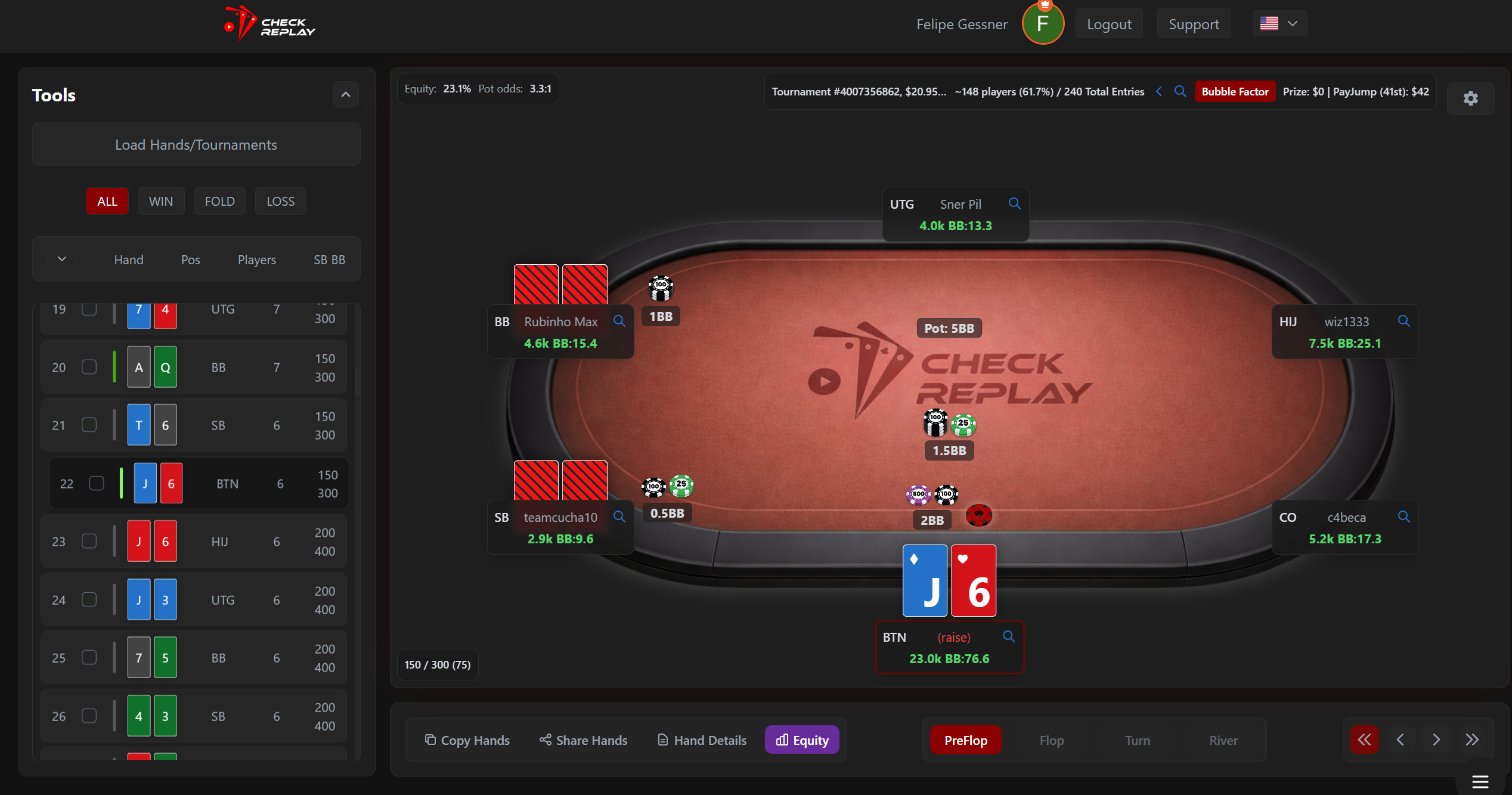
Study sessions with my peers on Check Replay showed me how powerful this is. Reviewing hands with real ranges—not just focusing on specific hands—helped the most.
Why exact reads are a trap
I remember a big hand at a local tournament. I faced a river bet on a tough board. I agonized, thinking, “Do they have the straight? Or the missed flush?” I folded, but a friend later showed me how that spot was about combo counting, not certainty. There were more bluffing hands in their range than value hands, making my fold actually unprofitable in the long run.
The best poker players never try to pick the one exact hand. Instead, they estimate how many combos make sense, and if enough of them are bluffs, they will call—even if this time, their opponent actually has it.
Thinking in terms of ranges and frequencies let me escape “results-oriented” thinking. If my hero call failed once, that didn’t mean it was a terrible mistake. I simply needed to get it right over many similar hands.
Value-to-bluff ratios and pot odds explained
Let’s break down how this works in real action. When facing a river bet, I look at:
- How much value the opponent can realistically have (strong made hands).
- How many plausible bluffs exist (missed draws, weak pairs turned into a bluff, etc.).
- How much I have to call, compared to the pot size (pot odds).
Imagine the pot is $100, and someone bets $50. I need to call $50 to win $200 total. My break-even point is 25%: if I win one out of four times in this spot, my call is profitable. If my opponent bluffs more than 25% of their betting range here, I call—even if sometimes they show up with the nuts.
It’s not about being right each time, but being right often enough.
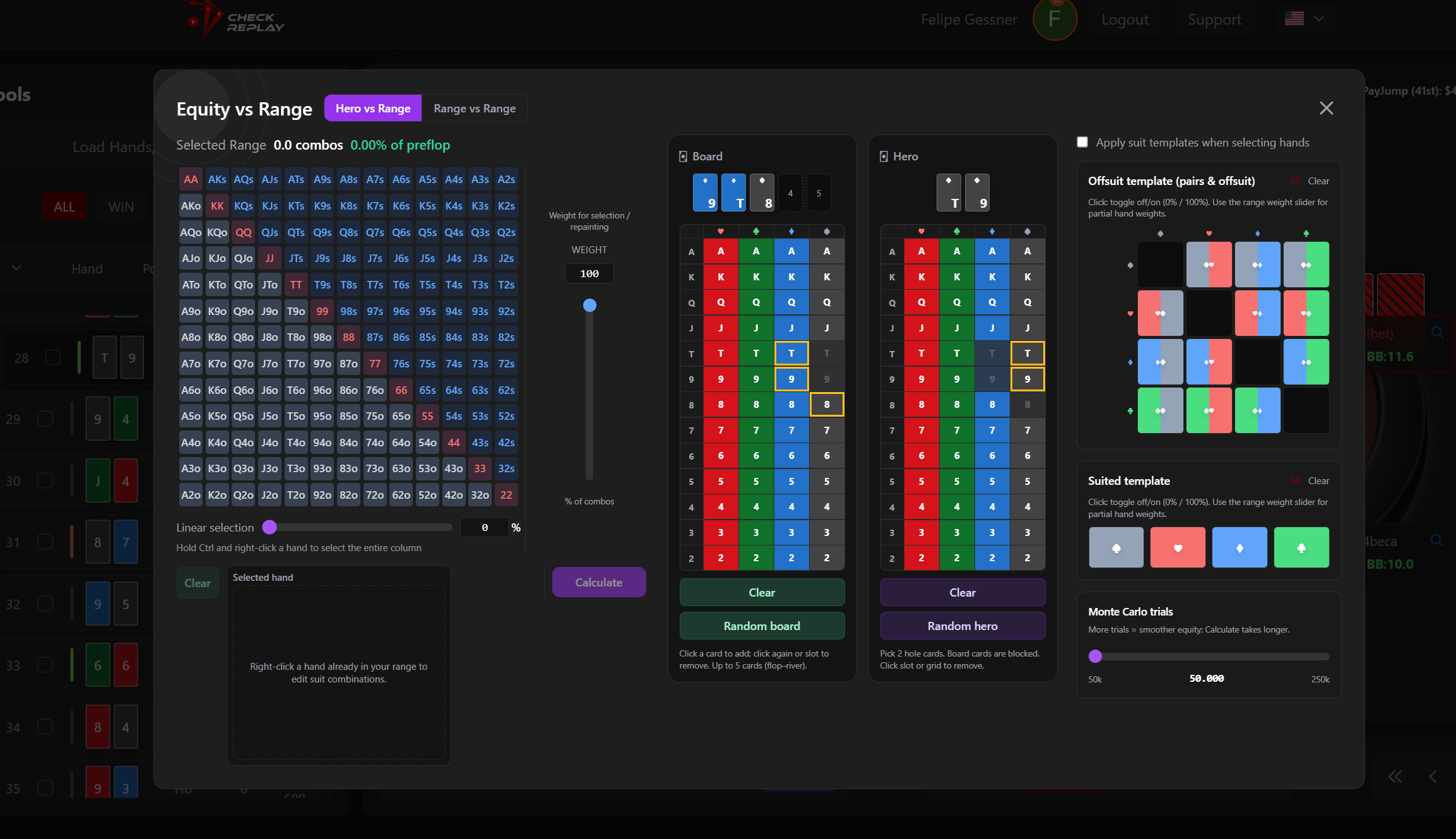
I expanded my thinking using tools and replayers, like Check Replay, by plugging in possible hands and checking how many combos were value versus bluff. It’s liberating to approach every spot as a math problem, not a guessing game.
Combo counting and blockers in practice
Counting combinations matters for both bluff-catching and making bluffs yourself. To practice, I started with this:
- First, identify what the opponent’s value range is (for example, flushes and straights).
- Then, work out how many hands they could be bluffing with (missed draws or weak holdings turned into a bluff).
- Consider which cards in my hand block or “remove” possible value hands (blockers)—for example, holding the ace of spades when the flush got there.
Each time I saw my decision not as win-or-lose, but as a long-term process, things clicked. Top players don’t fold because they think the opponent only has value; they fold because the numbers tell them the value hands outnumber the bluffs in the range. It’s powerful.
Bluff catching, hero folds, and river spots
This frequency-minded approach changes every part of the game, especially the most memorable—calling or folding on the river. Some of the most instructive moments were hands where I made a hero call, lost, but reviewed the frequencies and knew I would win more in the long run. The same goes for tough hero folds; if the value hands far outnumber the plausible bluffs, the fold is the only winning choice—even if this time, my opponent shows the bluff.
Actionable tip: Always count the number of value and bluff combos before calling or folding on the river. Let math, not fear, guide your choice.
Expected value and variance: why results don’t always reflect decisions
Variance is part of poker. Sometimes you get it in as a big favorite and lose. Sometimes you catch a bluff, but your opponent just happened to have the goods that day. It’s tempting to judge your choices only by the outcome, but strong players know that’s a mistake.
Expected value (EV) is the long-term profit of a play. When you choose to call because you win enough against the opponent’s entire range, your play is profitable—even if you’re wrong this time. Poker equity measures your share of the pot across all possible outcomes, not just the current one.
Good decisions win in the end, not every time.
Takeaways: developing your frequency mindset
- Move away from certainty: Train yourself to stop looking for a single “right” answer. Favor a system that weighs all possible hands.
- Practice combo counting: On tough rivers, tally up value vs. bluff hands and compare to pot odds.
- Review hands off the table using tools like Check Replay, where you can build and test different ranges.
- Accept variance: Know that being wrong in a single hand does not mean your decision was poor if your process was sound.
I often send sessions to friends, or post them for analysis, using instant sharing features. Going through these hand histories, looking at frequencies and replaying spots, made me a better player each week.
Conclusion
If you want to level up at poker, start thinking in frequencies, not certainties. This is the real secret behind every sharp fold, heroic call, and well-timed value bet. The best use the numbers, not guesses—because in poker, the real profits come from getting the odds right over time, not making psychic reads on single hands.
Want to apply this in your next session? Try saving and reviewing a few hands on Check Replay, compare ranges, and see how your decisions change. You’ll soon find that focusing on frequencies takes the pressure off single-hand results and builds real confidence in your game.
Once you start thinking in frequencies instead of certainties, poker becomes far less emotional and far more logical. You stop chasing perfect reads and start making consistently profitable decisions.
Frequently asked questions
What are poker ranges in simple terms?
Poker ranges are all the possible hands a player could have in a given situation, based on their actions so far. Instead of focusing on just one specific hand, strong players consider this entire range when making decisions.
How does poker equity affect decisions?
Poker equity is your share of the pot, considering all possible outcomes if everyone turned their cards face up. By understanding your equity against an opponent’s range, you can decide whether to call, fold, or raise—instead of just hoping you have the best hand right now.
When should I make a hero call?
A hero call makes sense when your opponent’s possible bluffs make up enough of their range that calling becomes profitable, based on pot odds. If math and frequencies suggest your call will win enough over time, even if you’re sometimes wrong, this is when to trust the numbers and go for it.
How do I know when to hero fold?
A hero fold is correct when your opponent’s range is weighted heavily toward strong value hands, and there aren’t enough bluffs for your call to make money on average. Counting combinations and using blockers can help you decide when folding is right, even against aggressive bets.
Why do strong players avoid certainties?
Poker changes constantly, and there are no guarantees. Top players avoid certainty because it leads to mistakes rooted in fear or ego. By thinking in frequencies and ranges, they make choices that succeed in the long run, not just in one hand.