Blockers might sound like something out of a secret poker codebook, but they are actually one of the most eye-opening concepts that I learned as I took the game more seriously. So, if you’re new to this side of poker, stick with me—I’ll show you how blockers work, why they matter, and exactly how to spot opportunities at the table.
What are blockers and why do they change your game?
If you’ve ever stared at your hand, wishing you knew what your opponent held, blockers might be the closest you’ll get to mind reading. Blockers are the cards you hold that reduce the chances your opponent can have certain hands. If I hold the ace of spades, for example, I know nobody else can.
Blockers help you understand which hands are less likely for your opponent to hold, improving your decisions on big pots, bluffs, and hero calls.
This is not just theory. Platforms like Check Replay make it much easier to study hands where blockers play a key role, letting players quickly check hand histories and see how these situations come up in real games.
The basics of combo counting
Before blockers truly make sense, I think everyone needs a quick lesson in “combo counting.” Combo counting is just figuring out how many possible ways an opponent could actually have a certain hand. This sounds scary at first, but it’s just simple math with cards:
- Pocket pairs: There are 6 different ways to get one specific pocket pair (like AA = 6 combos).
- Suited hands: There are 4 ways to get, say, ace-king suited (AKs = 4 combos: A♠K♠, A♥K♥, A♦K♦, A♣K♣).
- Offsuit hands: There are 12 ways to get ace-king offsuit (AKo = 12 combos).
- All non-pair hands: Any hand like ace-king has 16 possible combinations (4 suited + 12 offsuit = 16 combos).
This is why counting combos is such a powerful skill. Once you see how many ways your opponent could have a certain hand, blockers become the missing piece that lets you get more precise in your reads.
How blockers affect hand combos in practice
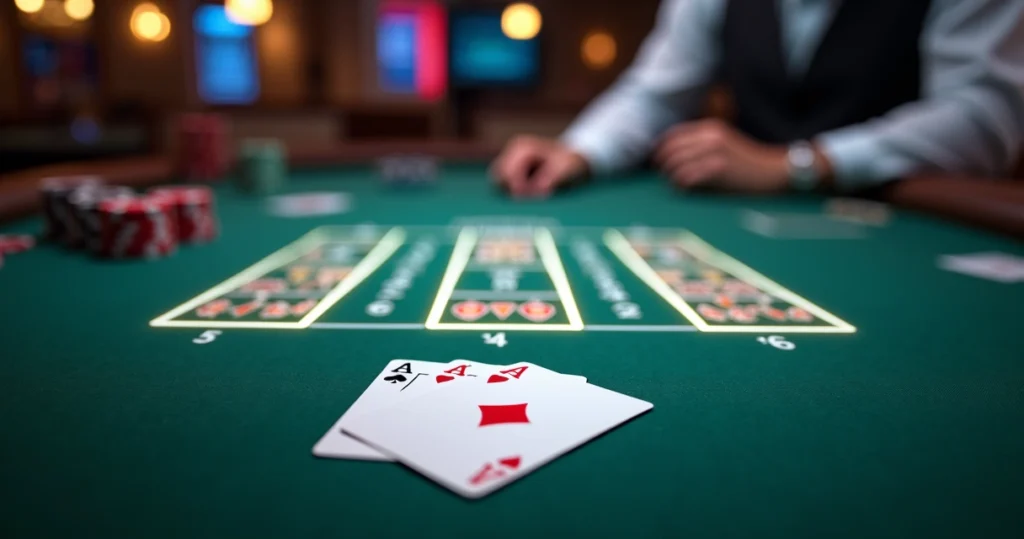
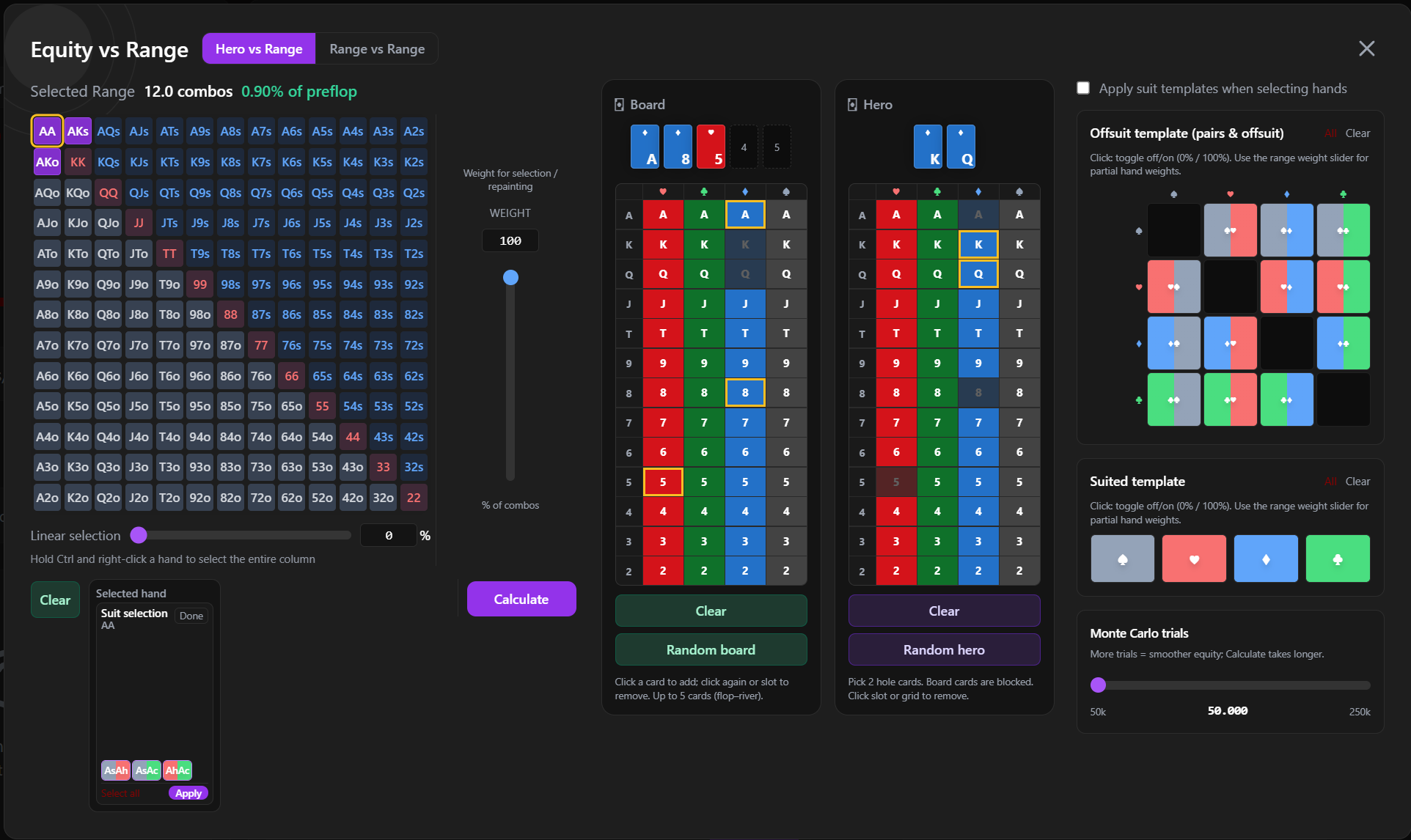
I still remember the moment I realized how powerful this can be. If I hold the ace of spades and the board has the ace of diamonds, that means only two aces remain in the entire deck. Let’s say you’re trying to figure out how often your opponent can have ace-king in this setup:
- Normally, ace-king (AK) has 16 total combinations.
- You hold an ace (A♠), and one ace is on the board (A♦).
- That leaves 2 aces and 4 kings in the deck.
- So, your opponent can only have 2 aces x 4 kings = 8 combinations.
This is where many players have a breakthrough moment.
Most poker players think in terms of individual hands.
Strong players think in terms of combinations.
- The moment you realize a single card can remove half of your opponent’s possible AK combinations, poker starts to feel like a game of logic instead of guesswork.
Blockers can cut the number of possible value hands, bluffs, or draws your opponent holds—sometimes in half, or even more.
One card in your hand can change everything.
As I studied more on platforms like Check Replay, I noticed how often pros used this kind of logic to build strategies around key river calls, bluffs, or folds. Seeing hand history replays in real-time really cemented this idea for me.
How to spot blockers at the table
So, now that you see how blockers impact combos, how do you actually use this info during play? In my experience, the key is to:
- Notice when you hold high-impact cards (especially aces, kings, or suited cards that complete flushes).
- Think about what strong hands your opponent might represent.
- Count how many ways that hand could possibly exist, given what you hold.
For example: The board shows three hearts and you’re facing an all-in. If you hold a heart, especially a high one, it becomes far less likely your opponent has the nut flush—because you’re blocking some (or all) of those combos yourself.
This is why you’ll see strong players bluff more often when they have flush blockers, or ace blockers—those are situations where blockers really swing the numbers in favor of a bold move.
Not all blockers are good
Sometimes you want to block value hands.
Sometimes you want to avoid blocking bluffs.
Holding the ace of spades may be great for bluffing because it removes nut flushes from your opponent’s range.
But holding a missed spade draw can be bad for bluff catching because it removes many of your opponent’s natural bluffs.
Common ways blockers influence decisions
After years of playing and reviewing hands (often several times on software like Check Replay), I’ve noticed some repeating situations where blockers are pure gold:
- Bluffing with ace blockers: If I hold an ace, I might bluff a flush draw more confidently because I know it’s less likely my opponent can call with the nut flush.
- Value betting thin: If the hands that beat me are heavily blocked by my cards, I can go for thin value (betting when I might be only a little ahead).
- Making hero calls: Sometimes, holding “unblocking” cards—cards that don’t block bluffs—makes calling better because my opponent is more likely to be bluffing.
When you have access to fast hand review tools, you can replay these spots, pause at the decision point, and ask: “What hands am I blocking right now?” This habit has helped me see patterns I used to miss.
Real game situations you can study
Think of these examples the next time you’re reviewing hands:
- River bluff with the ace of spades when the flush gets there.
- Calling a big river bet when you hold cards that don’t block the missed straight draw your opponent is repping.
- Choosing not to bluff when you have the same suit as the possible flush on the board—because you know you block many calling hands.
Why blockers matter for your win rate
Blockers don’t just belong in “high-stakes” or “pro” conversations. They’re useful no matter what stakes you play, online or live.
I’ve coached plenty of beginners using Check Replay’s instant replayer feature, and it’s amazing how quickly players improve when they can pause, think about blockers, and really see their impact. When you realize how a single card can turn a losing call into a profitable bluff, you start to spot opportunities everywhere at the table.
How to practice reading blockers
If you want to start using blockers in your games right away, I’ve found these simple steps work best:
- After each tough hand, write down what key cards you held, and which hands that blocked.
- When reviewing the hand, ask: Did my hand block the nuts, or unblock bluffs?
- Over time, you’ll start to see patterns—certain hands are just made for getting your opponent off a big pot.
Platforms that focus on intuitive hand review, like Check Replay, are great for building this habit because the faster you can load and share hands, the more you’ll learn. Reviewing with friends and coaches using shared links is how I really sharpened my blocker awareness.
You’ll find that your intuition for when to bet, call, or fold improves the more you practice this process.
Further steps for better poker decision-making
Improving your grasp of blockers is only one part of building a strong poker foundation. If you want an easy introduction to other key skills, check out a simple beginner’s strategy guide for poker—I found it helpful when organizing my own study routine.
If you want to study blockers and combos in actual hands, try uploading a few sessions to Check Replay. You can select hands and boards, and see how ranges interact and combo blocking happens in a interactive way!
Conclusion: Take action by reviewing your next session with blockers in mind
In my experience, blockers are one of those “lightbulb” concepts that help every poker player become sharper and more confident. By understanding combo counting, practicing blocker logic, and reviewing your hands with these ideas, you start to see the game at a deeper level—no matter your background or bankroll.
Ready to level up your strategy? The next step is to try Check Replay and review your own sessions with blockers in mind—you’ll be surprised at how much faster your reads improve.
Frequently asked questions
What is a blocker in poker?
A blocker in poker is a card you hold that reduces the chances your opponent can have a specific hand or combination. For example, if you hold the ace of clubs, your opponent cannot have ace-high hands or certain flushes that require that ace.
How do blockers affect poker strategy?
Blockers allow you to estimate more accurately what strong hands your opponent might or might not have, which can lead you to make more confident bluffs or calls. By reducing the number of strong hands in your opponent’s possible range, you can make smarter, more mathematical decisions.
Can beginners use blockers effectively?
Yes, beginners can start using blockers in a simple way. Even just noticing when you hold a high-impact card, like an ace or flush card, can improve your ability to guess what your opponent is holding. As you get comfortable, you can work up to full combo counting for advanced reads.
Are blockers important in online poker?
Absolutely. In online poker, where opponents play more hands and databases of hand histories are common, using blockers to analyze ranges is a real edge. Since online play often makes it harder to spot physical tells, blockers become even more valuable in making up for that informational gap.
What hands are best for using blockers?
The best hands for blocker use usually include:
- Your own aces or kings, especially if flush or straight completions are possible
- Hands containing a card of the suit needed for a flush, especially the highest card (the “nut” flush blocker)
- Pairs, when you want to block your opponent from having a set
Strong players learn to spot these hands quickly to create bluffing opportunities and avoid dangerous value bets.
The next time you review a hand, don’t ask:
“What hand did my opponent have?”
Ask:
“How many combinations could they have had?”
That’s the question blockers help answer.