There’s a moment right before the flop in online poker that I believe separates the solid players from the rest. I’ve seen too many promising games unravel before the community cards because of simple, repeated preflop mistakes. If you keep running into tough spots post-flop, the real trouble may have started much earlier than you think. Fixing these costly decisions can save your bankroll, your confidence, and set you up for wins more often.
Let’s go through the 10 biggest preflop mistakes I tend to see—mistakes you might not even realize you’re making, but that really do matter. I’ll share some personal insights, highlight how I use Check Replay to review these errors, and point you to some resources to polish your skills deeper. The next time you sit at the virtual felt, you’ll have a new eye for spotting these leaks.
Playing too many hands from early position
One habit I notice, especially when reviewing my old hand histories in Check Replay, is how easy it is to justify out-of-position plays with hands that just don’t cut it. Early position demands real discipline.
- Only stick with strong holdings—think premium pairs and high suited connectors.
- Hands like KJ offsuit or small pairs can get you into tough spots when action builds after you act.
In early position, your range must be tighter because there are still many players to act. The fewer the spots you give away, the fewer hard decisions you’ll need to make later.
Limping instead of raising (or folding)
When I was starting out, I thought limping into pots was a cheap way to see the flop. Now, I realize it often invites trouble.
If your hand is strong enough to play, it’s strong enough to raise.
If it’s not, just fold. Limping makes you vulnerable, gives opponents cheap flops, and makes it hard to build pots when you do hit a big hand. Over time, I found that adopting an aggressive preflop approach yielded much better returns.
Not adjusting to table dynamics
Each table is its own ecosystem. Sticking rigidly to charts or open ranges without considering who’s at your table is a mistake I see in every replay review. Some adjustments that matter:
- If the table plays tight, you can open up your range a bit and steal more often.
- If you’re at a loose table, tighten up and value bet more often.
Never play on auto-pilot. Check Replay actually makes it easy to watch past hands and see how opponents behave, so you can learn to spot these patterns yourself.
Ignoring stack sizes
I’ve lost count of how many players, myself included at times, forget to look at stack depths before making a move. Your stack and your opponents’ stacks change what hands you can play and how you should play them.
If you have under 20 big blinds, your preflop strategy must change—focus on push or fold with the right hands.
Big stacks can afford more creative plays, but short stacks need precision. In one of my reviews on Check Replay, I spotted how not adjusting for stack size cost me a final table finish. Don’t let that happen to you.
Calling raises with mediocre hands
This is one mistake that hits bankrolls hard. Many call preflop raises without realizing how tough it will be to continue post-flop.
 Hands like QJ offsuit or small suited connectors often look nice but can be dominated by a raiser’s stronger range.
Poker is about playing the long game, and calling with too many hands only puts you in marginal spots. Consider folding if your hand is not likely to be best.
Poor bet sizing
Raise sizes preflop are not accidental. If you make them too small, you invite too many players. Too big, and you only get action from monsters.
- A typical online raise is between 2x and 3x the big blind.
- Make sure to adjust sizing for stack depths and opponents.
Watch a few hands on Check Replay, and you’ll see how effective bet sizing sets up better post-flop decisions and keeps your opponents guessing.
Failing to isolate weak players
I learned early that weak players often limp in with marginal hands. Your goal should be to get them heads-up by raising or re-raising them, not just calling and letting everyone else in.
Isolating weaker players gives you the chance to play pots in position against them, which is a huge advantage.
Don’t just hope to hit the flop. Take control preflop, and you’ll find many more pots coming your way.
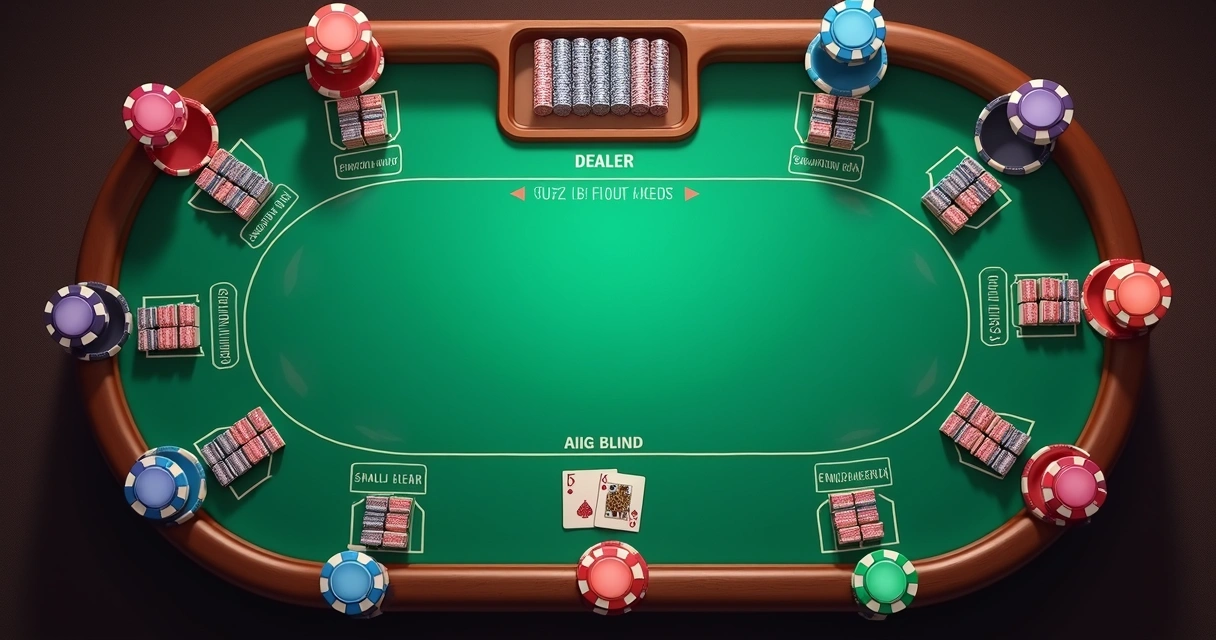
Poor position awareness
Position is everything in poker. When I review hands personally or with students, I never get tired of pointing this out.
- In late position, you can open up much wider and steal blinds more often.
- In early position, stay disciplined and play fewer hands.
If you find yourself in too many tough spots, check where you’re sitting. Sometimes, the answer to a leak is that simple. For more on position, the poker category in our blog has some practical guides.
 Neglecting to review hand histories
When I skip reviewing my sessions, I almost always repeat old mistakes. Modern platforms like Check Replay allow for fast uploads, history storage, and easy sharing with coaches or friends, all with zero downloads needed and instant links.
I recommend treating your past preflop decisions like gold. That’s where real improvement comes. I wrote more about reviewing sessions in our education section.
Letting emotions drive preflop action
Tilt rarely starts with a big post-flop blowup. It’s usually a few hands where you chase losses or get bored and start playing too many hands. Staying patient and disciplined is key.
Don’t let a good mood or a bad beat control your preflop choices.
Tracking your decisions and sharing them with a coach through Check Replay can keep you accountable and bring you back to a reasoned approach.
Patching your leaks for the long run
After many years of both making and witnessing these preflop errors, I find that most poker players could quickly improve simply by patching these leaks one by one. It starts with awareness—spotting the mistake—and then creating a habit of smart review using platforms like Check Replay. Reviewing your hands, sharing quick links with coaches, and personalizing your study routine gives you a huge edge over those just playing hands with no real feedback.
I suggest you keep learning. There are more resources about smart poker strategy and preflop play in the strategy section and some hand breakdowns, like this example post as well as another hand summary, that can push your thinking further.
Ready to step up your game? Take time to review your hands through Check Replay and start spotting your preflop leaks today. It’s free to start, and it could make all the difference in your next session.
Frequently asked questions
What are common preflop mistakes in poker?
Common preflop mistakes include playing too many hands from early position, limping instead of raising, ignoring table dynamics, not adjusting for stack sizes, calling raises with weak hands, using poor bet sizing, failing to isolate weak opponents, losing position awareness, skipping hand reviews, and letting emotions drive decisions. Most players make at least one of these mistakes until they consistently review and adjust.
How to avoid preflop mistakes online?
The best way to avoid preflop mistakes is to set clear starting hand ranges by position, always observe stack sizes, stay alert for player tendencies, and review your hands regularly. Using a replayer like Check Replay after sessions can help you spot leaks and make needed adjustments before they cost you more money.
What is the best preflop strategy?
A solid preflop strategy is to play tight in early positions, loosen up in late positions for blind steals, size your raises properly, fold most marginal hands facing aggression, and always adjust to your opponents’ tendencies. Sticking to these principles helps you avoid tough spots after the flop and keeps you on a winning track.
When should I fold preflop hands?
You should fold preflop when your hand is not likely to be ahead of your opponents’ likely ranges or doesn’t play well post-flop, especially when out of position. If you are facing a raise and your hand is marginal or dominated (like low suited connectors or weak aces), folding is usually best.
Is it worth it to bluff preflop?
Bluffing preflop should be limited to situations where you expect opponents to fold more often than not—such as stealing the blinds with weak hands in late position against tight players. Avoid bluffing against loose or unpredictable opponents, and never make a habit out of it. Smart, well-timed preflop aggression can work, but wild bluffing rarely pays in the long run.