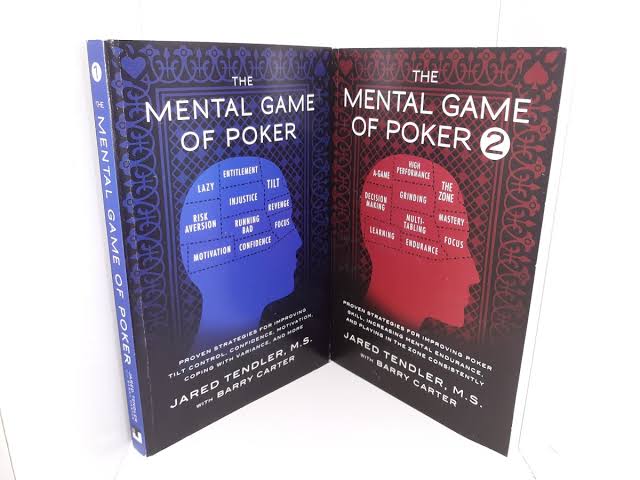
The well-known “Injecting Logic” technique, developed by Jared Tendler, is one of the mental game strategies poker players can use when dealing with emotional challenges such as tilt and frustration.
The concept is simple but powerful: replace automatic, emotional thoughts with logical and rational statements.
For example, instead of letting anger take over after a bad beat, remind yourself:
“Variance is part of the game.”
Or:
“I control my decisions, not the results.”
These statements can work as mental anchors, helping you regain focus and avoid impulsive decisions during difficult moments at the table.
Practicing Injecting Logic can help reinforce discipline and mental resilience — two important qualities for maintaining solid and consistent performance over the long term.
If you are looking to improve your mental game, this is a strategy worth exploring.
1. Emotional Control
Emotions are inevitable in poker. The goal is not to eliminate them, but to prevent them from determining your next decision.
Use statements like:
- “I am not a robot.”
- “My emotions do not determine my next play.”
- “Emotional control is one of my advantages.”
- “Bad beats are inevitable. What matters is how I react to them.”
- “I am in control of my reactions, even when I cannot control what happens in the game.”
- “Getting frustrated only takes me further away from my goals.”
- “Resilience is one of my greatest strengths.”
2. Focus on the Process and Your Decisions
Poker constantly creates situations where you can make the right decision and still get the wrong result.
Keeping your attention on the quality of your decisions rather than short-term outcomes can help prevent results from affecting the way you play.
Use statements like:
- “I control my decisions, not the results.”
- “My goal is to make the best decision possible.”
- “What matters is the quality of my decisions.”
- “In the long run, good decisions pay off.”
- “I play my best when I focus on decisions, not results.”
- “Every mistake my opponents make creates an opportunity for me.”
3. Resilience and Overcoming Difficult Moments
Difficult sessions are part of poker. When emotions begin to take over, reminding yourself that you have experienced similar situations before can help restore perspective.
Use statements like:
- “I have been through this before and overcome it.”
- “A bad beat is an opportunity to test my mental strength.”
- “Resilience is one of my greatest strengths.”
- “This is just another game, and I have been through many like it before.”
4. Maintain a Long-Term Perspective
Poker is a game of incomplete information and variance. Individual hands and sessions can produce results that say very little about the quality of your decisions.
A long-term perspective can help prevent short-term outcomes from becoming emotionally overwhelming.
Use statements like:
- “Variance is part of the game.”
- “This is a long-term game.”
- “Every poker player experiences swings. They are part of the game.”
- “I am not defined by a single session.”
- “If I maintain my discipline, the results will follow.”
5. Maintain a Growth Mindset
Mistakes are unavoidable. What matters is what you do with them.
Instead of allowing an error to trigger frustration or affect the rest of your session, use it as information that can help you improve.
Use statements like:
- “A mistake is an opportunity to learn.”
- “Every hand is an opportunity to improve.”
- “Going on tilt will only make things worse.”
- “My goal is consistency, not perfection.”
6. Acceptance and Focus on What You Can Control
There are many things at a poker table that you cannot control: the cards, your opponents’ decisions, variance, and short-term results.
Your attention is better spent on what you can control.
Use statements like:
- “I can only control what is within my control.”
- “The game owes me nothing.”
- “This situation is no different from any other.”
- “I don’t need to win every hand to be successful.”
Put It Into Practice
You do not need to memorize every statement on this list.
Choose the ones that resonate most with you and relate directly to the emotional problems you encounter most often at the tables.
Write them on a Post-it note or keep them somewhere easily accessible during your sessions.
When you notice frustration, tilt, fear, overconfidence, or another emotional pattern beginning to influence your decisions, return to the statements that help you think more clearly.
The purpose of Injecting Logic is not to pretend that the emotion does not exist. It is to give your rational thinking a voice when emotion starts becoming too loud.
If you are interested in contacting Renato, you can visit his website www.eliteperformance.gg,
or follow him on instagram @renatonunes.ep