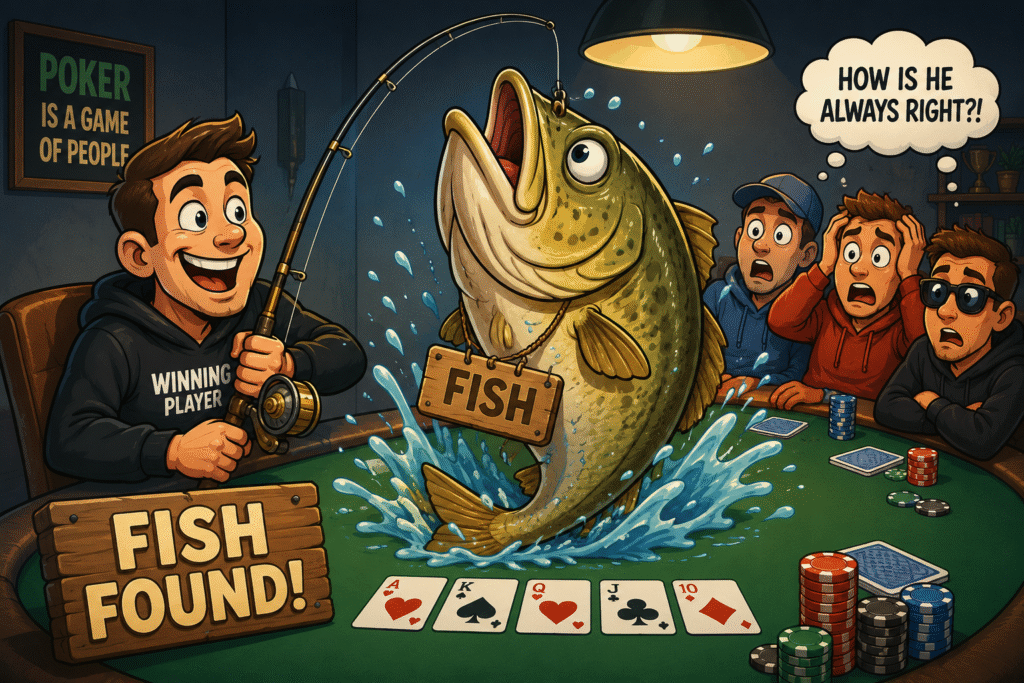
There’s a certain sentence that circles every poker table, either spoken aloud or written on a player’s face as they look around the room. “If you can’t spot the fish, you are the fish.” Over years of play, this phrase has echoed in my head, reminding me not just to look at the cards in my hand, but at the people and actions around me. When I sit down, whether it’s at a friendly home game or at online tables packed with players worldwide, I don’t wait for luck to reveal who is misstepping. I start watching for patterns, because sharp play is never about guessing—it’s about paying close attention and applying the kind of poker thinking that goes far beyond just strong hands.
Why “spotting the fish” matters
Every poker table holds a mix of experience levels. In my experience, the players who consistently win aren’t those who get the best cards. Instead, they’re the ones who identify opponents who make mistakes, and capitalize when a pattern appears. They know that “fish”—the term for novice or consistently losing players—don’t wear signs. I’ve learned that spotting weaker opponents is about observation, pattern recognition, and a willingness to question every action on the felt.
If you’re not watching closely, you might just miss the subtle cues. Or worse—you might start to realize others are targeting you for easy chips. I’ve been there once. I learned that lesson quickly.
What strong players are watching for
So, what do experienced players notice that most miss? If you pay attention, mistakes are like footprints in the snow. Consider the following habits and patterns that signal someone might be playing without a solid approach:
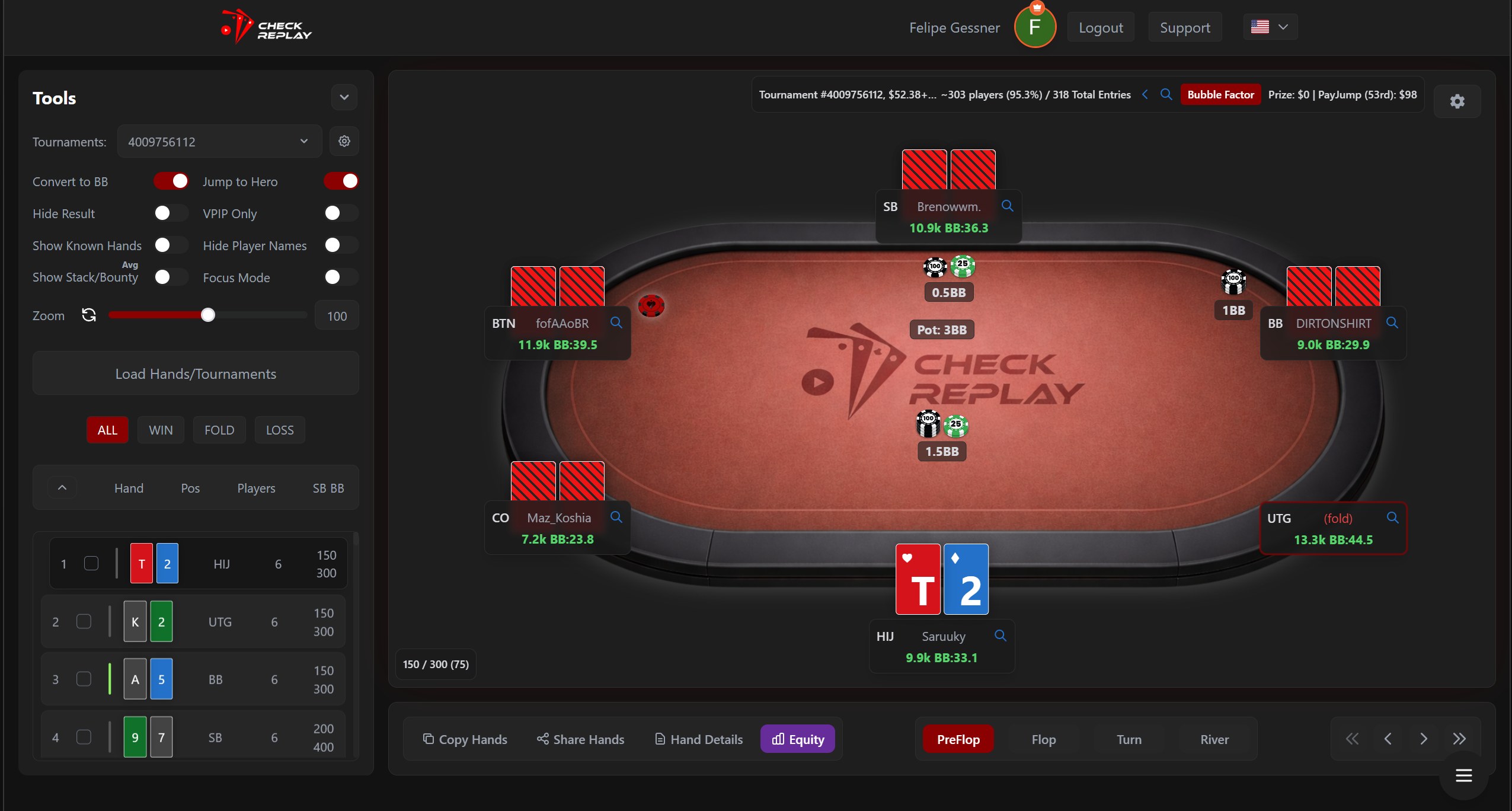
- Wild preflop choices: A single showdown can tell you more than hours of speculation. If someone opens K6o from the UTG in the early game of a vanilla tournament,you immediately know something important: They have no idea what they’re doing, as preflop ranges is the first step to understand the logic behind more complex decisions.
- Limping outside the small blind: Strategic players seldom limp unless it’s very specific to the small blind. Frequent limping tells me they’re not thinking about ranges, just about “seeing a flop.”
- Postflop actions that don’t add up: For example, a player leading into the preflop aggressor on boards that clearly favor the raiser’s range. If I see someone donk-lead the flop where they rarely have a range advantage, that’s a red flag for me.
- Predictable betting patterns: Consistently using the same size bets, on every street, in every hand. If I always know what they’ll bet, they’re not thinking about the unique dynamics of each hand.
- Strange bet sizing: Overbets in spots where a small bet is standard, or min-bets on boards demanding protection, are both signs that theory isn’t guiding the strategy.
- Showdown errors: Consistently showing down weak hands that never had a plan to win, or calling down with bottom pair “just in case.”
- Ignoring position: Continuously playing the same range from every seat at the table, instead of tightening up from early spots.
- Obvious tilt plays: Emotional betting, especially after a bad beat, is a hallmark of those who haven’t studied the mental game.
Public information and statistics
In the era of online poker, more information is available to those who know where to look. Throughout my time playing online, I’ve regularly checked public profiles and the open stats some networks provide. Looking up previous winnings, tournament results, and player histories can offer a real edge if used wisely.
Seeing a player consistently lose across many sessions, or with erratic spikes of winnings followed by long troughs, lets me know they aren’t applying any kind of repeatable plan to the game. Data is a tool, but it only points to potential weaknesses. Actual observation at the table is even more telling.
I sometimes review prior match activity with tools like Check Replay, studying showdown hands and betting sequences from historical games, especially when prepping for a tricky session or coach review. It gives me a new angle on the story behind each player, not just a number on a profile.
Patterns, not single mistakes
If there’s one lesson I wish more novice players learned early, it’s this: One strange hand doesn’t mean a player is weak—the best clues are found in repeated behavior. The seasoned winner doesn’t focus on one “bad” play, but on several actions that repeat over time:
- Consistently limping or cold-calling raises in early positions
- Repeated donk-betting on boards where it makes little sense
- A refusal to fold marginal hands, even after strong aggression
- Betting identical amounts regardless of board texture or opponent
- Failing to adjust preflop tactics based on position or stack depth
Patterns reveal intention, ability, and level of preparation. I always encourage players to take notes or review hands with a tool like Check Replay, as you’ll quickly discover trends that only make sense when seen as a whole, not as one-off oddities.
Why strong players keep notes and review hands
When I started keeping detailed notes on my opponents, my results changed. It’s not just about knowing who made a mistake, but recognizing the story their actions tell over time. I often see players jump to quick conclusions after one error—a poor hero call, a failed bluff—and I always remind them:
One hand doesn’t define a player. The sum of their actions does.
Observing showdowns, especially when hands are revealed, is where the real edge comes from. Here’s why I pay special attention:
- It shows what hands opponents actually play, not just what they pretend to play.
- It highlights bad preflop choices that always go to showdown.
- It uncovers postflop plans that don’t connect with reality or theory.
- It tells me who might be adjusting—or not—over the course of a session.
After each session, I review the hands where I won unexpected pots, but I also review the losses. Sometimes I share them on my account at Check Replay’s poker replay blog, exchanging insights or sending links to friends for a second opinion. The hands that haunt you most are often the hands that reveal the most about your own decisions, and about your opponents.
Building better habits than your opponents
Developing the right habits goes hand in hand with rising above the “fish” category. My own growth accelerated when I did the following regularly:
- Watched for patterns over many hands, not just one.
- Kept calm after swings up or down, sticking to a well-considered plan.
- Copied the study habits I saw from coaches and top players, reviewing hands instead of relying on memory.
- Used player notes to adjust my responses, rather than playing my own cards alone.
- Asked questions—why did my opponent bet like that? Was there another line more consistent with sound methods?
I recommend to anyone wanting to really progress to make reviewing hand histories a regular part of your preparation, preferably using a purpose-built tool. If you haven’t started yet, just jump into the Check Replay hand search feature and see the depth you can add after even a single session.
Conclusion
If you sit down and can’t spot questionable choices or repeated mistakes, pause before assuming everyone is a world-class player—sometimes, that means you’re missing something in your analysis. What sets consistent winners apart isn’t raw luck or a superpower. It’s a deep attention to collective tendencies, a hunger to learn, and a commitment to studying both wins and mistakes. That’s what will get you ahead at the tables—over and over again.
I know that improvement never stops, and the game is always evolving. If you’re ready to grow your game, sharing, reviewing, and discussing hands is the fastest way to level up your reading abilities. That’s why I trust platforms like Check Replay for fast hand uploads, study, and discussion. Start by reviewing your own game and you’ll quickly learn to spot the fish—in others, not yourself.
Frequently asked questions
What does “spot the fish” mean in poker?
“Spotting the fish” means identifying the less experienced or more mistake-prone players at the table. These players are known for making repeated errors in card selection, bet sizing, or their general approach. Recognizing them lets skilled players adapt their tactics to win more.
How can I avoid being the poker fish?
To avoid being the fish, pay attention to every hand, watch how others play, and don’t stick with one narrow approach. Keep learning, review your hands with tools like Check Replay, and try to think about the reasons behind each bet and call. Staying disciplined, using position, and adjusting to table dynamics are all effective ways to build stronger habits.
What are the basics of winning poker strategy?
Winning players focus on solid preflop hand selection, awareness of position, and adjusting their tactics to their opponents. They keep their decisions logical, use smart sizing, and avoid emotional moves. They also learn from both success and mistakes, using hand histories and showdown information as their main guides.
How do you identify weak players?
Look for repeated actions that fall outside sound poker logic, like frequent limping, wild betting, or not considering position. Consistency is key: one bad play isn’t a pattern, but several similar mistakes point to someone who isn’t following strong habits.
Is it worth learning advanced poker techniques?
Yes. Over time, learning advanced tactics and analysis tools can make the difference between being a break-even player and a winner. Techniques like using odds calculators, reviewing hand histories, and noting opponent tendencies will steadily sharpen your skills, especially when you work with solid review tools.